The Best Books I Read in 2025
I was once an avid reader. Over the last two years, though, I slowly drifted away from the hobby. I'm not sure why that happened, but I am sure I want to get back into it. And I have, especially in the second half of the year. I read so many great books and didn’t run into many duds.
Once again, just like my video games and movies blogs, this is about the books I read in 2025, not necessarily the ones that came out this year. I rarely buy books the year they come out because new books are so darn expensive compared to used books. Don’t tell future published author Josh that, though.
How Good It is I Have No Fear of Dying
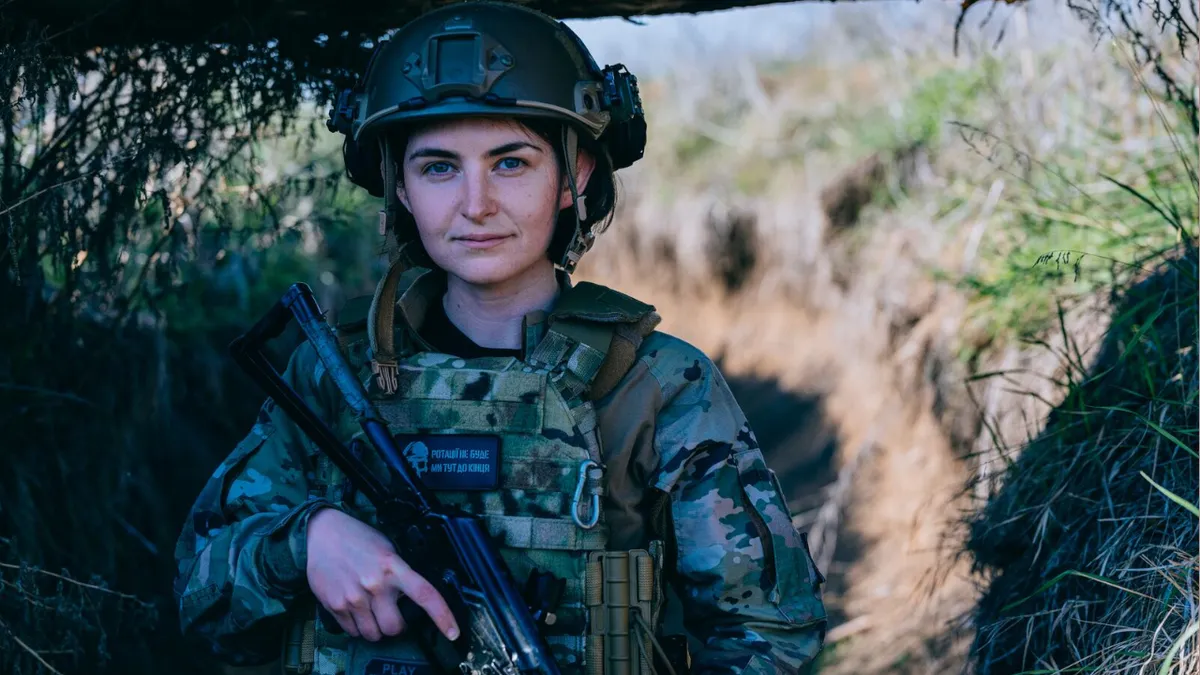
We pick up where my Best Movies of 2025 blog left off. How Good It is I Have No Fear of Dying tells the firsthand account of a female Ukrainian officer fighting on the front line. It’s not common to find women fighters in Ukraine, but it’s not exactly rare, either. Most women in the Ukrainian military work in auxiliary roles, but like Lieutenant Yulia Mykytenko, there are some fighting in the trenches.
We follow Yulia’s journey from the start of the full Russian invasion in February 2022 (though she reminds us that Russia’s invasion really began in 2014 with the Russian invasion of Crimea and the Donbas) through February 2024. She was near a lot of the action, from her initial deployment in 2015, getting married to another soldier, his death, leaving the army, the initial invasion in 2024 when she was a civilian, rejoining the army to defend Kyiv, holding the line during Russia’s retreat and reorganization, Ukraine’s failed 2023 counteroffensive, and the stalemate that ensued.
The book stops in February 2024, and a lot has happened since then on the battlefield. Russia has launched several more offensives that have largely been successful, now occupying 20% of Ukraine. Mykytenko is still fighting on the front line, though she ended a monthly war diary she wrote for The Irish Times in June 2025.
Like 2000 Meters to Andriivka, this is a story that does not glorify war, instead showing the harsh realities of life on a battlefield. Of killing and dying. It’s not nearly as visceral, not being able to see it with our eyes, but it provides a deeper account of a single soldier’s story. Mykytenko is also more outspoken than anyone in that documentary, blaming Russia for the war, but also criticizing the United States and Europe for not doing enough and Ukrainian President Volodymyr Zelenskyy for not taking early warning signs in the lead up to the invasion seriously.
Written by journalist Lara Marlowe, this is still Yulia’s story. Most of the book is about her time on the front line, only occasionally diving into her life before the war, and the lives of her comrades. There’s talk of what it’s like to be a woman soldier, discussions about the Ukrainian men who have fled the country rather than fight, and so much pointless death and destruction.
Underground
I’ve heard of Haruki Murakami before. I remember when 1Q84 came out in 2011 and seeing it everywhere. That and Killing Commendatore a few years later. I’ve always heard about how he’s a great writer, except when it comes to sex scenes. Yet I’ve never read any of his stuff myself, until this year. And me being me, I started with two of his non-fictions books: What I Talk About When I Talk About Running and Underground.
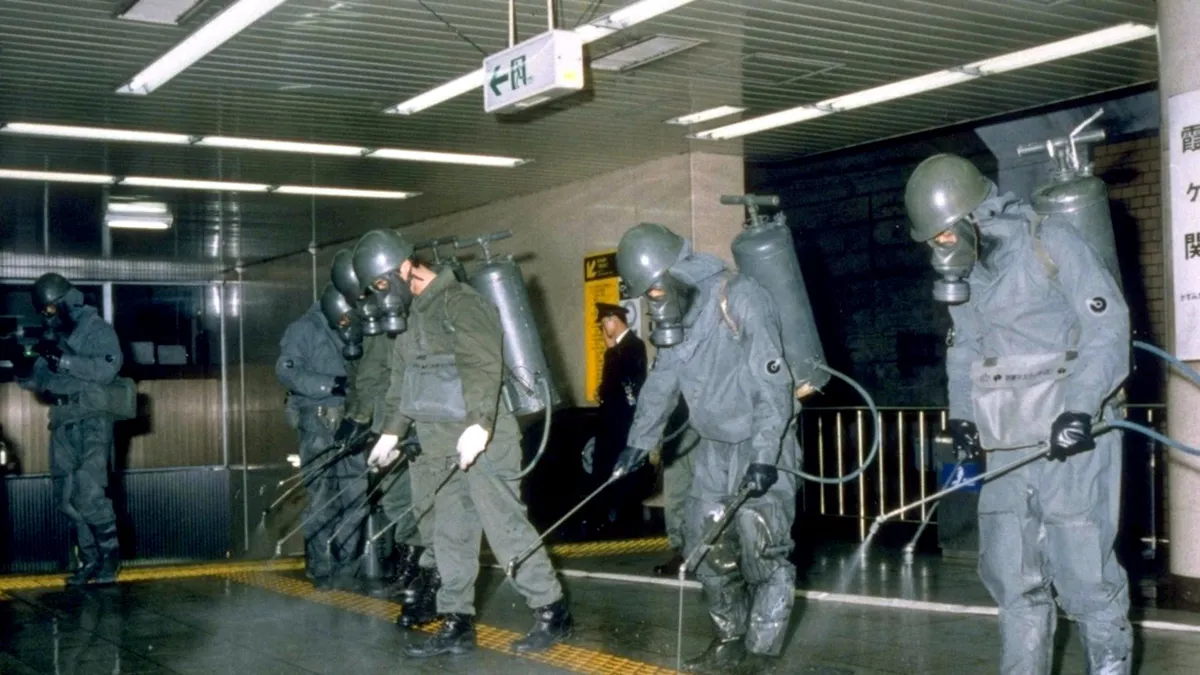
Underground tells the story of the 1995 Aum Shinrikyo sarin gas attack on the Tokyo subway, which is something I had never heard of before this. What I love about this book is that Murakami doesn’t convey the story conventionally, he instead interviews people who were there that day—not just victims but also people who worked at the subway, friends and relatives of victims, and even members of the cult. We rarely hear from Murakami, instead the book is a series of interviews laid out in a narrative. If you’ve seen the documentary They Shall Not Grow Old, it’s exactly like that.
Reading these firsthand accounts, and from victims’ families, is harrowing. They all speak in a way that makes it very easy for you to put yourself there on the day of the attack. Seeing these stories connect, who never knew each other before the attack is… I don’t know what the word for it is. Certainly not “heartwarming.” Maybe it creates some sense of a shared existence, of the breaking down of barriers between ourselves, and lets us relate to one another better. Sure, let’s go with that.
I read an updated version which includes interviews with Aum members, though no one directly involved in the attack. These are a fascinating read into the minds of people lured into a cult. Some recognize that Aum is indeed a cult, that they’ve done bad things, and that bad things have happened to them because of being in a cult. But many of the members he talk to are still members, and even some of those that have left still respect their leader, Shoko Asahara. Murakami faced some pushback in Japan as some thought he was sympathizing with the cult members, but I think he does a good job of painting with broad strokes, of not painting these members who weren’t involved as evil monsters.
I find it endlessly fascinating to draw parallels between Aum and the Unification Church and their tight hold on Japanese politics to this day. But I digress.
Circe
The biggest surprise of the year goes to Madeline Miller’s Circe. I didn’t think I would like it, much less love it. This whole “re-telling classic myths and stories from another perspective” trend hasn’t done anything for me. So I can’t remember what made give this a try, but I’m glad I did because I loved it.
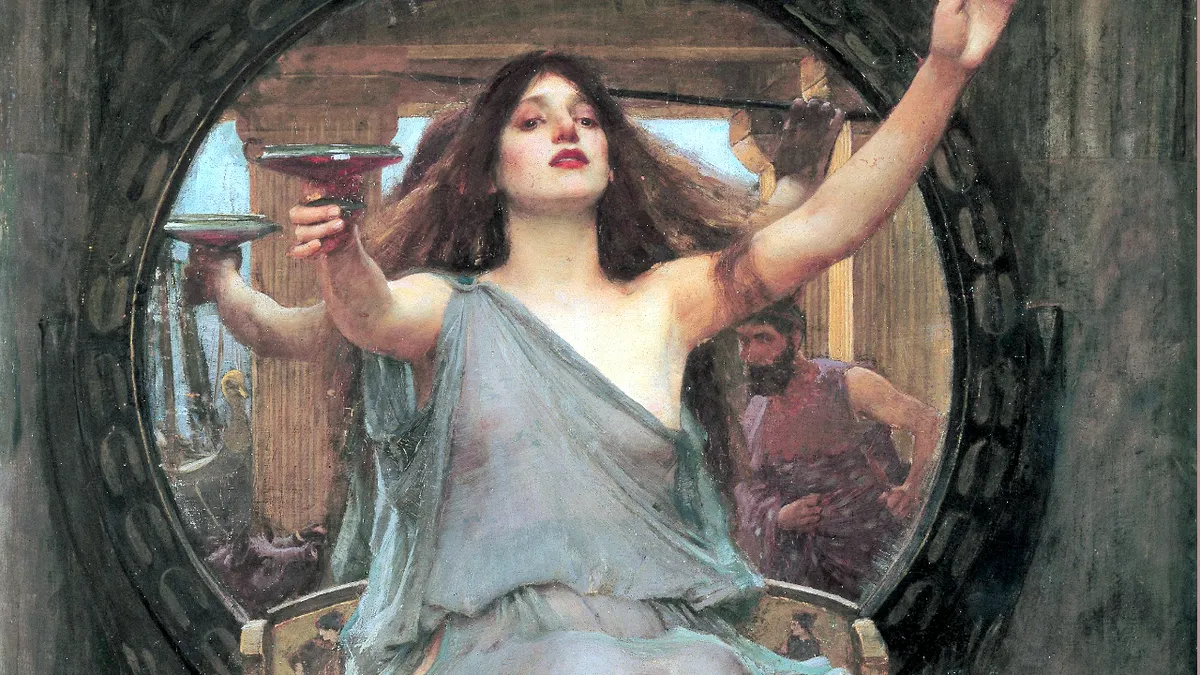
The book retells the story of Circe, the Greek witch or goddess (depending on who you ask) who is the daughter of Helios and Perse. In mythology and retellings, she’s painted as a villain, an evil witch who turns innocent men into pigs, turned a goddess into a horrible monster because her crush Glaucus liked her instead, and threatens men who refuse her advances. You can see how these depictions might be Problematic, especially those later retellings that made her more and more of an evil harlot.
Miller re-contextualizes Circe’s story. Her parents hated her, her family hated her, the other gods and nymphs hated her. Everyone thought she was horrible because she was part human and seemingly didn’t have any powers of her own. She learned forbidden magic and only turned a woman into a monster because she was being bullied, and it became the biggest regret of her life. Banished from Olympus and sent to live on an island, she finds herself enjoying life for the first time. She wants to be left alone there, but the gods kept showing up to annoy her anyway. Soon men came to bother her too, including dozens over the years who tried to take advantage of what they thought was a defenseless woman. Turning them into pigs became a weird defense mechanism.
Circe is on a roller coaster ride throughout the book. We trace her journey from a child to hundreds of years later (she is an immortal goddess). She goes from confused as to why she’s so hated, to angry, to accepting, to introspective, to bitter, to everything in between. She spends most of her life wanting to be alone, but there are times when she thinks about what she wants out of life, something more than living on a tiny island. Despite this, Miller’s writing style is straightforward and fast-paced. This is a quick read, but one that sticks with you for a while, and I find I always end up loving those kinds of books the most.
Gate of Ivrel
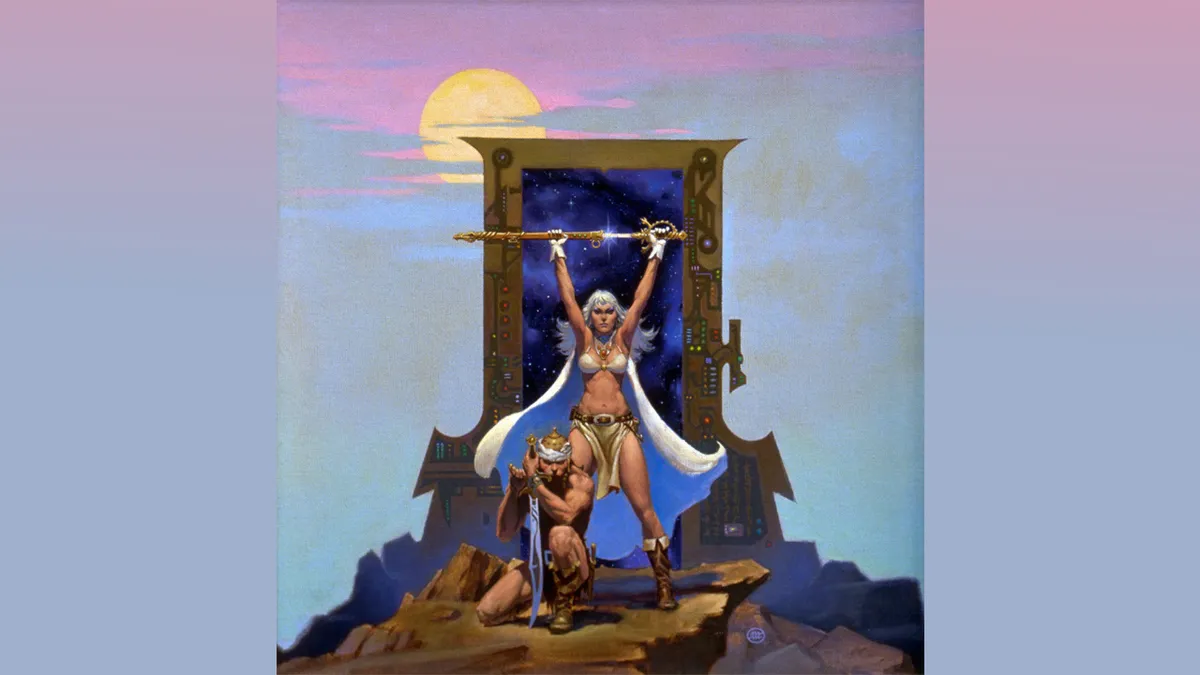
CJ Cherryh’s first book, Gate of Ivrel, is my favorite of hers I’ve read so far. It’s a cross between science fiction and fantasy, but just as much as a road trip story as anything.
We follow a guy called Vanye, a mixed-race Cha Nhi and the illegitimate son of the Nhi King Rijan. He takes pity on this son of his, allowing him to stay at his palace with his two legitimate sons. Which goes about as well as you’d expect. They hate Vanye, and although he cannot be king, he becomes a warrior, which is considered a great honor nonetheless. His brothers out of a twisted sense of anger, jealousy, and royal fear attack him soon after. Bad idea for them, as Vanye kills one and maims the other in self-defense. Still, they’re princes and he’s a bastard. They “allow” him to kill himself as an honorable form of punishment, and he refuses. Instead, they exile him out of the kingdom.
This is basically a death sentence, as Nhi is surrounded by hostile nations that would love to kill the king’s son, legitimate or not. Yet he survives for a couple of years on his own when his enemies finally catch up to him. Running into a snow-covered forest to escape his pursuers, he stumbles on something called a Gate. He somehow activates it, and out comes a strange woman calling herself Morgaine. She ran into this Gate fleeing the forces of Thiye Thiye’son’s army when they killed all her men. For her, she was in there mere moments, but back in the real world, one hundred years have passed.
The two set off on a journey to defeat the still alive Thiye and close the Gate that gives him his power. It turns out that Morgaine is an alien part of a group that are traveling the known galaxy shutting down these Gates because they warp time and space and resulted in this one ancient civilization becoming evil dictators, essentially. This isn’t technically a spoiler, since the book spoils itself in the blerb on the back, but it would have been more impactful to piece this together ourselves.
Gate of Ivrel is well-written, with memorable dialog and story beats, and Morgaine and Vanye are great protagonists. The main villain, Thiye is kind of lame, but there are two other antagonists that more than make up for him. It’s incredible how much Cherryh was able to pack into just 190 pages, meanwhile modern sci-fi and fantasy novels could stop a bullet and still aren’t half as interesting. Perhaps there’s a lesson there? I reviewed the book earlier this year if you want to read more about it.
Honorable Mentions
This list was supposed to have several more entries, but I ran out of time. I read these books earlier this year and didn’t take notes because I didn’t think I’d write about them. I don’t have time to re-read them and, frankly, I’m not feeling great right now. But I still want to acknowledge a few books, so I’ll give them a quick shout out.
The Sympathizer is a rare example of a popular book actually being good. Telling the story of an unnamed South Vietnamese soldier during the Vietnam War, he flees to America after the North wins. He ends up doing crime (not the fun kind) and somehow joins a CIA-led guerrilla force intended to Bay of Pigs the newly communist Vietnam. That goes about as well as you’d expect.
Eric Larson's The Demon of Unrest tells the story of the lead up to the American Civil War. Maybe being from Charleston, South Carolina biases me, but I found the depiction of the utterly vile pieces of human garbage in my home city and throughout the south to be eerily familiar and horrifying. It was like reading a horror novel set in my backyard.
Jason Schreier's first book, Blood, Sweat, and Pixels, is one of the best about video games. His next, Press Reset is just as good. Whereas his previous book is a joyous look at the creation of indie games, but also the strife they can cause their creators, Press Rest instead looks at the grimy underbelly of the AAA industry. This, too, often feels like a horror novel, as you read about the stupidest people wielding power like a cudgel. After reading this, you’ll hate Ken Levine and EA. Well, more than you probably already do.